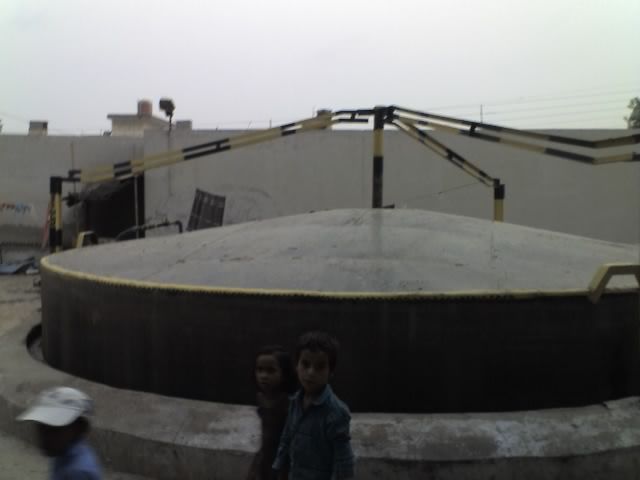
With rising fuel costs, increasing waste, and the need for clean energy, the gobar gas plant has become one of the most practical and profitable solutions for farmers, dairy owners, and rural households in India. Also known as a biogas system, it converts cow dung and organic waste into clean energy while producing high-quality organic fertilizer.
In today’s time, setting up a gobar gas power plant or biogas power plant is not just eco-friendly but also economically beneficial.
What Is a Gobar Gas Plant?
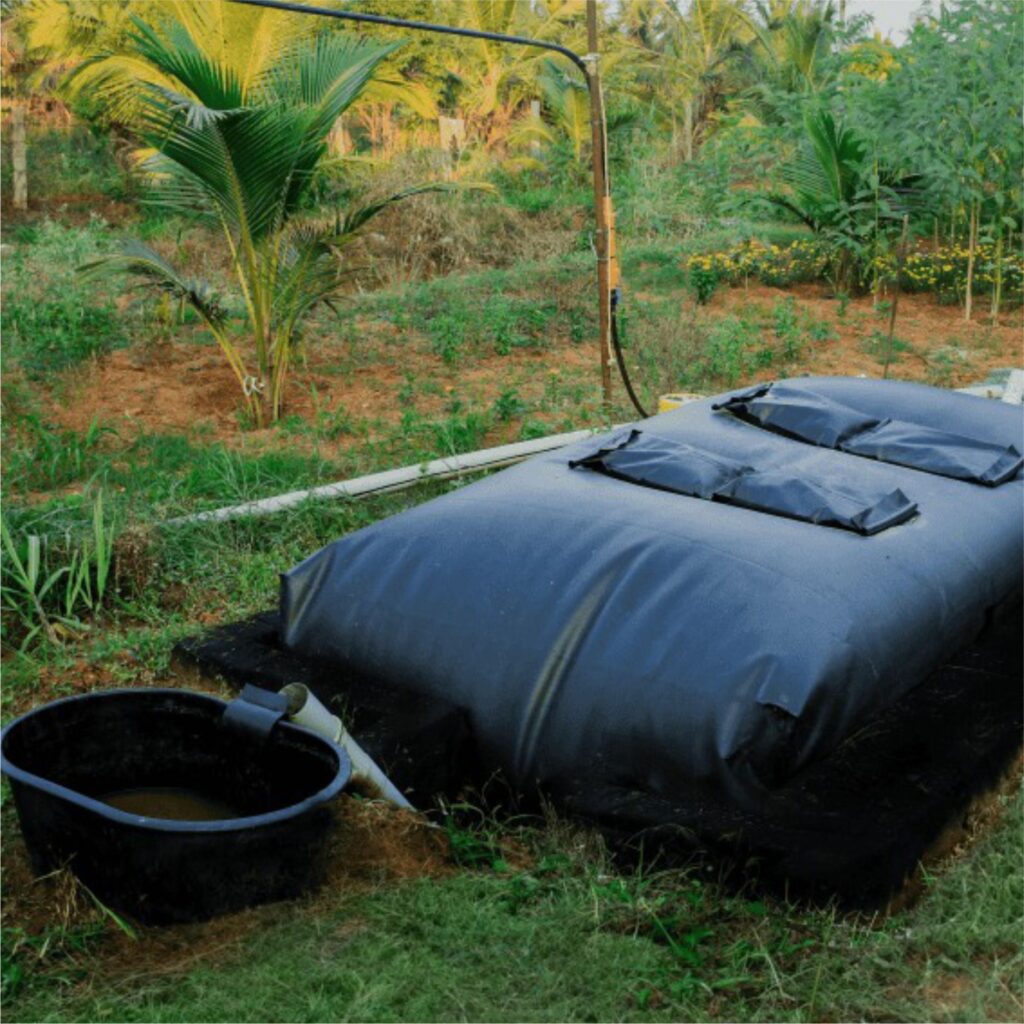
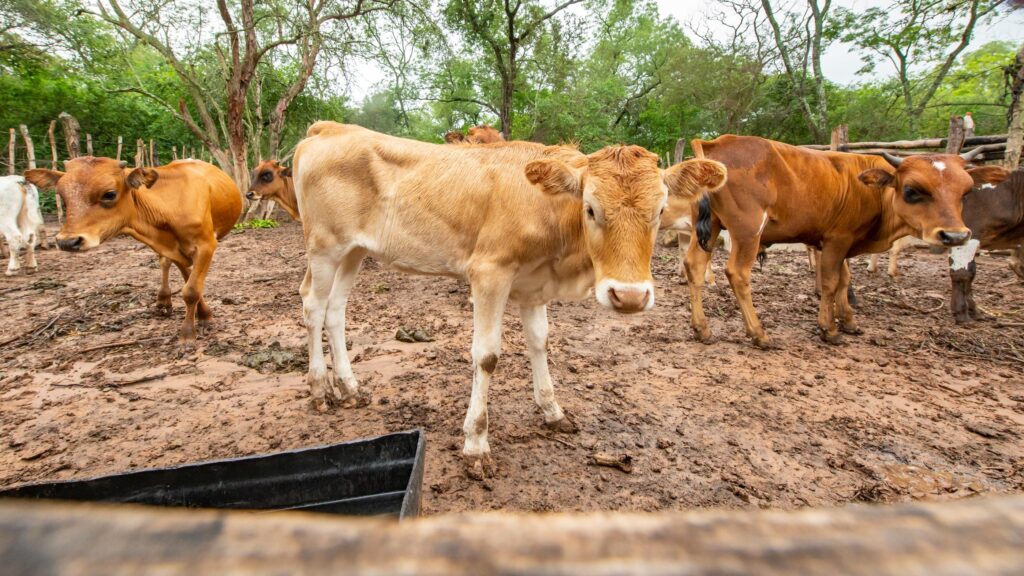
A gobar gas plant is a type of biogas system that uses cow dung (gobar) and other organic waste to produce biogas through anaerobic digestion. The gas produced mainly consists of methane and is used for:
- Cooking gas
- Electricity generation
- Heating purposes
The leftover slurry becomes excellent organic manure for farming.
How Does a Biogas System Work?
A typical biogas system consists of:
- Mixing tank (for cow dung & water)
- Digester tank (where gas is produced)
- Gas holder or dome
- Outlet for slurry
Inside the digester, organic waste decomposes without oxygen and releases biogas, which is then collected and used as fuel. This process is clean, renewable, and sustainable.
Types of Gobar Gas Plants in India
-
- Domestic Gobar Gas Plant
Ideal for rural households and small dairy farms.
-
- Commercial Biogas Power Plant
Suitable for large dairy farms, gaushalas, hotels, food processing units, and institutions.
-
- Gobar Gas Power Plant
Designed to generate electricity along with cooking gas, especially for large-scale operations.
Benefits of Gobar Gas Plant in India
- Provides clean and renewable energy
- Reduces dependence on LPG and electricity
- Converts waste into valuable resources
- Produces high-quality organic fertilizer
- Reduces greenhouse gas emissions
- Low maintenance and long operational life
A gobar gas power plant also helps in managing large volumes of waste efficiently.
Investment & Profitability of Gobar Gas Plant
The cost of setting up a gobar gas plant in India depends on:
- Plant size
- Type (domestic or commercial)
- Gas usage (cooking or power generation)
Profit Potential
- Saves monthly LPG and electricity expenses
- Generates income through power production
- Produces organic manure for sale or farm use
- Eligible for government subsidies
Most biogas projects recover costs within 2–4 years.
Government Support & Subsidies in India
The Government of India promotes biogas projects through:
- MNRE (Ministry of New and Renewable Energy) schemes
- State-level renewable energy subsidies
- Support for biogas power plant installation
These incentives make gobar gas plants more affordable and attractive.
Who Can Start a Gobar Gas Plant?
- Dairy farmers
- Gaushalas
- Poultry & livestock farms
- Food processing units
- Hotels & institutions
- Rural households
Anyone with access to organic waste can benefit from a biogas system.
Why Choose City Smart Agro Hub?
- Experienced renewable energy experts
- High-quality construction materials
- Customized biogas system design
- Affordable pricing
- End-to-end project support
A gobar gas plant is a powerful solution for clean energy, waste management, and sustainable income generation in India. Whether you need a small household unit or a large gobar gas power plant, biogas technology offers long-term benefits for farmers and businesses alike.
🚀 Start Your Gobar Gas Plant Project Today
If you are planning to install a biogas system or biogas power plant in India, City Smart Agro Hub is here to guide you from planning to execution.
📞 Contact us today for consultation.
